
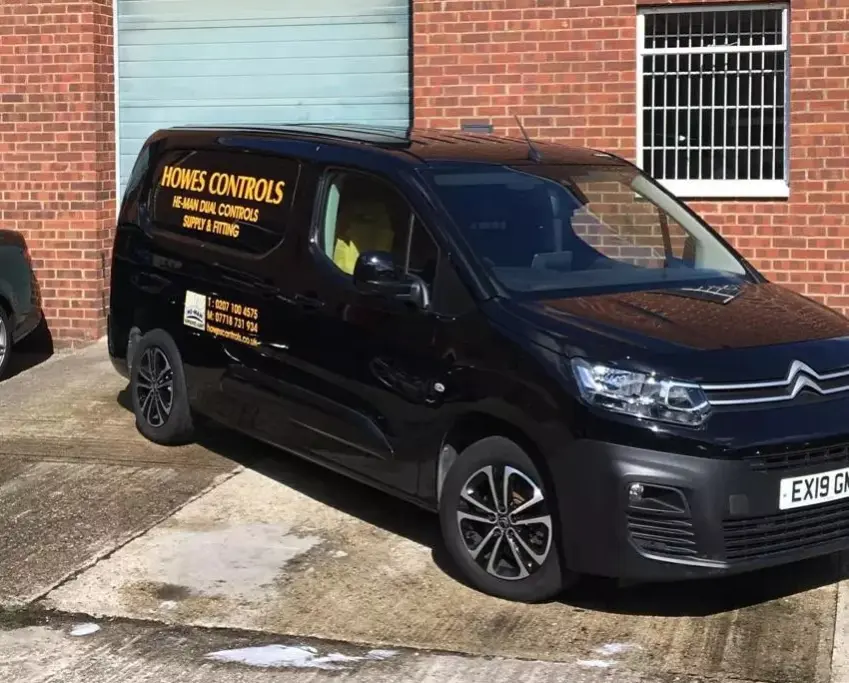
A mobile dual control fitting starts before the installer arrives. Give the fitter the exact vehicle details, agree where the work can take place and leave time to check the finished installation before returning to lessons. Here is what to arrange and what to ask at each stage.
Identify the exact car before booking
Start with the registration, make, model, year and transmission. If the car is on order and you do not have a registration yet, send the dealer’s model designation and expected build or delivery date. Trim names and facelift dates can make cars with similar names difficult to distinguish, so let the installer tell you which additional identifiers they need.
Mention any passenger-footwell equipment, existing instructor pedals or previous conversion work. Useful photos show the area under the dashboard and the floor around the passenger seat, taken while parked. If the vehicle is leased or belongs to a driving school, establish who can authorise the installation before agreeing to a visit. Ask the installer for a written breakdown of supply, fitting and any separate removal work.
Agree the location before the appointment
Tell the fitter whether the car will be on a driveway, at a workplace or in a shared car park. Describe access, available space on both sides, any height restrictions and whether the site owner permits vehicle work. A parking bay that is easy to drive into may leave too little room to open the doors far enough for a fitter to work comfortably.
Ask what happens if the agreed place becomes unavailable or the weather makes work there unsuitable. Have a contact available at the site and keep the keys accessible. Remove loose items, bags and footwell accessories. Leave installed trim and existing equipment for the fitter to assess. For a new car, plan the visit after you have confirmed handover and can identify the actual vehicle.
Leave room in the diary
For October 2026 tests, DVSA reported that half of learners who took a car test had waited 10.3 weeks or less. That figure describes completed tests across Great Britain and individual waits vary. A fitting appointment and a pupil’s test are better treated as separate diary commitments, with time between them for any delay and for the instructor to get familiar with the new car. DVSA appointment and waiting-time figures
If you are changing cars during a busy teaching week, identify which bookings depend on the new vehicle. Ask when you can reasonably expect it to be available and how the fitter will contact you if they find something unexpected. Arrange a backup lesson plan or vehicle where practical. Avoid promising a pupil a specific test car before you know it will be ready and they have had time to practise in it.
What to ask at handover
Ask the fitter to demonstrate the controls and explain what you should expect them to feel like. Check that you know which passenger pedals are fitted, which accessories can safely go back in the footwell and who to call if something changes. Ask for the installation record and any instructions relevant to the system so you can keep them with the car’s paperwork.
Before the next lesson, allow time to adjust your passenger seat and get familiar with your position. If a pedal feels obstructed, fails to return as demonstrated or moves in a way you did not expect, take the car out of tuition use and contact the installer. Save any installation paperwork alongside the vehicle record so it is available when the car changes hands.
Summary
Have the vehicle details, a suitable work location and a clear handover window ready before you book. The services page explains the mobile fitting options and gives you a starting point for discussing your vehicle.
Prepare for a mobile fitting