
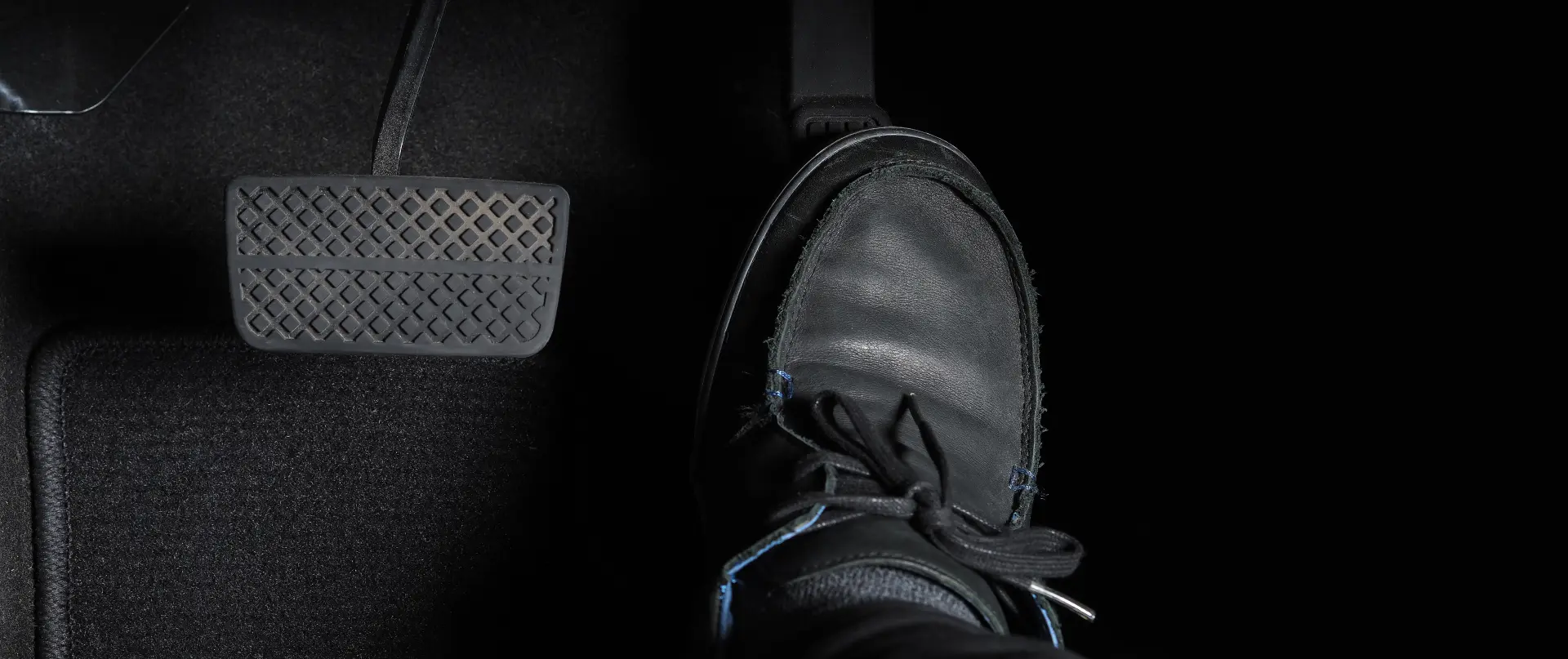
Dual Control Pedals and the Law in the UK: Discover how these safety features are legally installed for learner drivers, ensuring safety, regulation adherence, and vehicle safety.
Are dual control pedals legal in the UK
Dual control pedals are legal in the UK when they are professionally installed and used in line with road traffic law. They are a common safety feature in approved driving school vehicles and are accepted by the DVSA for learner tuition and practical tests. The installation must not interfere with the safe operation of the standard pedals or other primary controls.
Any modification has to be secure, well maintained and free from sharp edges or obstructions that might distract or injure the driver. When fitted correctly, they allow instructors to intervene quickly while still keeping the learner responsible for steering, mirrors and general observation. They must also be declared to insurers and recorded along with any other training vehicle adaptations.
Who is allowed to use the instructor pedals
Only a suitably qualified and insured driving instructor, or a supervising driver who meets UK legal criteria, should use the dual control pedals. On paid lessons this will normally be an Approved Driving Instructor, known as an ADI, or a licensed trainee instructor working under close supervision.
When a learner practises in a private car that has instructor pedals fitted, the accompanying driver must be over twenty one and must have held a full, valid licence for at least three years in the same category of vehicle. They must sit in the front passenger seat, stay alert and be able to take full control at any time.
Insurance must cover tuition and clearly allow use of any dual controls installed in the car. Friends, parents or partners who do not meet these rules should never press or rest their feet on the extra pedals.
Instructors are trained to judge when to step in and how to brake smoothly so that the car stays stable and under control. They also know how the extra pedals link to the main controls and how hard they need to press in different road and weather conditions.
An untrained passenger may stamp on the wrong pedal, brake too late or ride the clutch, which can increase risk instead of reducing it. Nobody else in the vehicle, including children in the rear seats, should touch, pull or kick the pedal units or linkages during a journey. Clear rules avoid confusion and support safe, professional driving tuition.
When an instructor should take control
An instructor should use the dual control pedals when safety is at risk or when a learner does not react in time to a clear hazard. Typical examples include approaching a red light too quickly, failing to brake for a pedestrian crossing or losing control when pulling out or turning. The instructor may also steady the car on steep hills, tight junctions or complex roundabouts where a stall or lurch could be dangerous.
Clear verbal warning should be given whenever there is time, and the instructor should explain what happened afterwards so the learner understands and can improve. Overuse of the pedals can hold a learner back, so instructors should step in only when risk exists and danger feels near.
MOT, servicing and safety checks
Vehicles fitted with dual control pedals must still meet the same MOT standards as any other car used on UK roads. The pedals and associated linkages should be checked during regular servicing to confirm they work smoothly, return correctly and do not stick or bind.
Any brackets, cables or hydraulic parts must be secure and protected from wear, corrosion or damage under the dash or in the footwell. Routine safety checks should look for loose fixings, torn pedal rubbers and anything that might trap a learner’s foot during normal driving or emergency braking.
Records of installation, maintenance and repairs are worth keeping, especially for fleet operators and driving schools that manage several vehicles. It is sensible to choose a garage or installer that understands dual controls and can inspect them whenever the car is on the ramp.
During an MOT, the tester may not operate every extra pedal in detail, so the owner or driving school has a strong duty to monitor day to day performance. Any unusual noises, stiffness, misalignment between instructor and driver pedals or delayed braking response should be reported and investigated immediately.
Instructors should build a quick pedal check into their daily routine, pressing each control before lessons start to confirm it moves freely and springs back.
After new pedals are fitted, a careful road test in quiet conditions helps confirm that the system works as intended and that carpet, mats or trim do not foul the mechanisms. Written records support warranties and future resale value.
Vehicle modifications and type approval
Fitting dual control pedals counts as a vehicle modification, so installers must respect UK construction and use rules along with any type approval requirements. Most driving instructors rely on specialist companies that design kits for specific makes and models so that the main braking system and airbag layouts are not affected.
These kits aim to preserve the original crash safety performance while adding secure extra controls that can be removed without serious damage to the shell or trim. It is important to inform the insurer that pedals have been fitted and to ensure the modification is noted on the policy and any hire or lease agreement. Taxi and lease providers may also need written notice before any work is done.
Our dual control fitting in Essex and London. We supply and install approved dual pedal systems, keep vehicles MOT ready with regular checks and servicing, and provide professional, insured instruction so learners, parents and supervisors can use instructor pedals safely and legally on UK roads.